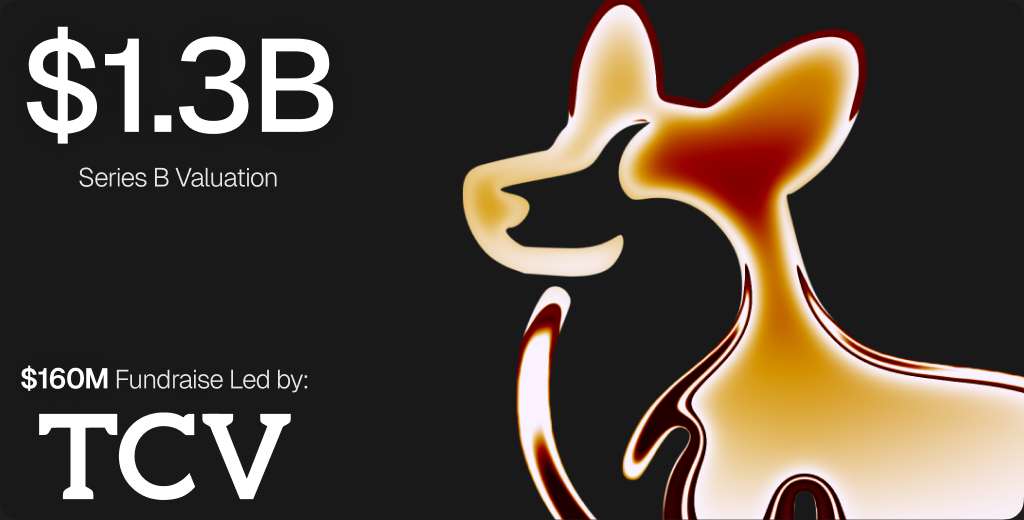
Announcing Our $108M Fundraise | Seed + Series A
Corgi

Media Liability Insurance for Startups

Media Liability insurance defends the content your company publishes — covering defamation, copyright and trademark infringement, right-of-publicity violations, plagiarism, and false advertising claims tied to your marketing, product, and editorial output.

Last reviewed April 24, 2026 · Reviewed by the Corgi Insurance team

Media is the policy that defends what you publish. It steps in when a competitor cries defamation, a photographer claims their work was used without a license, or a regulator alleges your advertising misled consumers — without it, every post, ad, and product page sits on your balance sheet.

Anatomy of a $1M / $1M / $5K Media Liability Policy.

Pulled from the actual form

FORM CORG-ML-0100

Media Liability

SELF-INSURED RETENTION:$5,000 per claim

Defamation & Disparagement

PER CLAIM:$1,000,000

IP Infringement

AGGREGATE:$1,000,000

Defense Costs

PAID WITHIN LIMIT:Included

Advertising Injury

AGGREGATE:$1,000,000

Prior Acts

OPTIONAL:Up to 3 yrs

Retention

PER CLAIM:$5,000

Plain English on the Left. Policy Language on the Right.

What this policy pays for.

IF THIS HAPPENS…

A competitor sues alleging your launch tweet was defamatory and damaged their reputation.1

Defamation, libel, and slander

Defense costs and indemnity for claims alleging false or disparaging statements published in any medium — social posts, blog content, emails, podcasts, or video — that allegedly harmed a person or company's reputation.

PER CLAIM$1M
AGGREGATE$1M
RETENTION$5K

A photographer claims a stock photo on your homepage was used without a valid license.2

Copyright infringement claims

Coverage for claims alleging unauthorized reproduction, distribution, or display of copyrighted images, video, music, code, or written work in your content, product, or marketing materials.

PER CLAIM$1M
AGGREGATE$1M

A user alleges your product page violated their right of publicity by featuring their likeness.

Right of publicity & privacy claims

Defense for claims alleging unauthorized use of a person's name, image, voice, or likeness for commercial purposes — including testimonial pages, marketing assets, and product UI screenshots.

PER CLAIM$1M
ENTITY DEDUC.$5K

A consumer-protection group alleges your testimonial-driven ad was deceptive and misleading.3

False advertising & deceptive practices

Coverage for claims alleging your advertising was deceptive, misleading, or violated FTC endorsement rules — including unsubstantiated performance claims, undisclosed paid endorsements, and comparative advertising disputes.

PER CLAIM$1M

A trademark holder alleges your brand name infringes their registered mark.

Trademark & trade-dress infringement

Coverage for claims that your name, logo, slogan, or product styling infringes a registered trademark or trade dress. Includes defense against confusion, dilution, and tarnishment allegations.

TRADEMARK COV.Included

A plaintiff sues alleging an embedded podcast clip on your blog infringed their copyright.

Multimedia content liability

Defense for claims arising from embedded audio, video, or interactive content — including podcast clips, video testimonials, user-generated content, and syndicated material — that allegedly infringes third-party rights.

MULTIMEDIA EXT.Included
1

Defamation coverage applies to claims alleging false statements of fact published with the requisite degree of fault. Pure opinion and parody are typically excluded, though defense costs may still be advanced for borderline allegations.

2

Copyright infringement coverage attaches whether the underlying work was knowingly used or innocently incorporated. DMCA takedown costs and pre-suit response expenses are subject to a separate sublimit.

3

False advertising coverage typically excludes claims arising from product performance failures (covered under Tech E&O) and bodily injury (covered under CGL). Regulatory fines and penalties may not be insurable in all jurisdictions.

How Media compares to Tech E&O and CGL

Media, Tech E&O, and CGL each handle a different category of liability. Most content-driven companies end up with all three.

Media Liability (this policy)

Defends the content your company publishes — marketing copy, social posts, blog content, video, podcasts, product pages, and ad creative. Covers defamation, copyright/trademark infringement, right-of-publicity violations, and false advertising. Essential for any startup that markets, publishes, or produces content.

Tech E&O / Errors & Omissions

Defends the company when its product or service fails to perform as promised and a customer alleges financial harm. Where Media Liability covers content and advertising claims, Tech E&O covers product/service performance claims. Most content-driven and SaaS startups carry both.

Commercial General Liability (CGL)

CGL includes a baseline 'personal and advertising injury' module that overlaps with Media at the edges — slander, libel, copyright in advertisements. But CGL's media defense is shallow and capped. Standalone Media Liability provides full IP, multimedia, and defamation coverage that CGL alone does not.

Industry Applicability & Compliance

Content Triggers

Every blog post, tweet, customer testimonial, video, podcast episode, ad creative, and product screenshot is a potential Media Liability trigger. Modern startups publish dozens of pieces of content per week — each one carrying a small risk of defamation, IP infringement, or right-of-publicity exposure that scales with reach.

IP Compliance

Media Liability backs your IP-clearance workflow — stock photo licenses, model releases, music sync rights, font licenses, and trademark searches. When an IP holder alleges your clearance was insufficient, the policy responds with defense costs and indemnity, even when the underlying use was made in good faith.

Industry Use Cases

Media is essential for content-driven startups (publishers, podcast networks, video platforms), advertising-funded businesses, AI products that generate or output content, and any company with an active marketing presence. SaaS companies with even modest content marketing programs benefit from coverage.

The six claims Media defends.

Defamation

Libel and slander claims arising from false statements published about identifiable people or companies — including blog posts, social media, podcasts, and customer-facing content.

Copyright / Trademark Infringement

Claims alleging unauthorized use of copyrighted images, video, music, code, or trademarks in your product, marketing assets, or published content.

Privacy Violation

Right-of-publicity, false-light, intrusion, and public-disclosure claims arising from unauthorized use of a person's name, image, voice, or likeness.

False Advertising

Deceptive-practice claims alleging your advertising was misleading, your endorsements undisclosed, or your performance claims unsubstantiated under FTC or state consumer-protection rules.

Trade Disparagement

Commercial disparagement claims by competitors alleging your comparison ads, reviews, or public critiques caused them economic harm through false or misleading statements.

Idea Misappropriation

Claims by third parties alleging your company used a submitted idea, pitch, or concept without authorization — common when running pitch programs, demo days, or open feedback channels.

Our Core Coverages

Media protects what you publish. Layer in CGL, Tech E&O, Cyber, D&O, and more — modular coverage that grows with you.

Commercial General Liability (CGL)
Instant quote

Commercial General Liability (CGL)

Protects your business against third-party claims for bodily injury, property damage, and personal or advertising injury arising from your operations.

Cyber Liability
Instant quote

Cyber Liability

Protects against losses and claims resulting from data breaches, cyberattacks, and network security failures.

Tech & AI Liability
Instant quote

Tech & AI Liability

Covers claims alleging your technology products or services failed to perform as intended, causing financial harm to a client.

Directors & Officers
Instant quote

Directors & Officers

Covers claims made against company leaders for alleged wrongful acts in managing the business.

Employment Practices Liability (EPLI)
Instant quote

Employment Practices Liability (EPLI)

Protects against claims alleging wrongful termination, discrimination, harassment, or other employment-related issues.

Fiduciary Liability
Instant quote

Fiduciary Liability

Protects your company and plan fiduciaries against claims alleging mismanagement of employee benefit plans, including retirement and health plans.

Media Liability
Instant quote

Media Liability

Protects against claims arising from your published or distributed content, including allegations of defamation, copyright infringement, or invasion of privacy.

Hired and Non-Owned Auto (HNOA)
Instant quote

Hired and Non-Owned Auto (HNOA)

Provides liability coverage when employees use rented or personal vehicles for company business.

See specialized coverages

Media Glossary

Key terms that appear in policy language, content workflows, and IP-clearance documents.

Media Wrongful Act
The triggering language in a Media Liability policy — any actual or alleged defamation, infringement, invasion of privacy, or other content-based offense committed in the gathering, creation, or dissemination of insured content.
Defamation (Libel / Slander)
A false statement of fact about an identifiable person or company that causes reputational harm. Libel applies to written or published statements; slander applies to spoken statements. Truth is an absolute defense, but defense costs apply regardless of outcome.
Right of Publicity
The right of an individual to control commercial use of their name, image, voice, or likeness. Violations commonly arise from unlicensed testimonials, model release gaps, and using public figures' identities in marketing without consent.
Trade Libel
A false statement that disparages a competitor's products or services and causes them economic harm. Distinct from personal defamation — trade libel is about commercial disparagement, often arising from comparison ads, reviews, or competitor critiques.
DMCA
The Digital Millennium Copyright Act provides a 'notice and takedown' framework for online copyright disputes. DMCA-related response costs (takedowns, counter-notices, repeat-infringer review) are typically sublimited in a Media policy.
Idea Submission
Claims arising when a third party submits an idea, pitch, or concept and later alleges the company used it without authorization or compensation. Common triggers include unsolicited pitches, demo days, and product feedback channels.
Disparagement
A statement that injures a third party's reputation, business, or goods. Distinct from defamation in some jurisdictions — many Media policies cover disparagement as a separate insuring agreement alongside libel and slander.

FAQ

Media Liability insurance defends your company against claims arising from the content you publish — defamation, copyright and trademark infringement, right-of-publicity violations, and false advertising. It covers the marketing copy, social posts, blog articles, video, podcasts, and ad creative your team produces. Where CGL provides only shallow advertising-injury coverage, a dedicated Media policy provides full IP and defamation defense up to $1M aggregate.
Any startup that publishes content, runs paid advertising, or produces marketing materials at scale. That includes content-driven companies (publishers, podcast networks, video platforms), advertising-funded businesses, AI products that generate output, and most modern SaaS companies with content-marketing programs. If your team posts on social media, runs an email list, or publishes a blog, you have media exposure — and CGL alone does not adequately defend it.
As soon as your content surface area scales — typically once you have a dedicated marketing function, run paid ads, or publish at least weekly. Pre-seed founders often defer Media until the seed close, but companies with active social, content, or ad programs should bind earlier. See our stage-by-stage cost breakdown for typical limits at each round.
CGL includes a 'personal and advertising injury' module that covers narrow content claims — slander, libel, and copyright in your advertising. But CGL's media defense is shallow, capped, and excludes most modern content scenarios: trademark infringement, right-of-publicity outside ads, multimedia content, and online publishing. Read more in our comprehensive coverage guide on how Media stacks alongside CGL.
Yes — modern Media policies cover content output regardless of whether it was authored by a human or generated by an AI system, provided your company published or distributed it. AI-specific risks (training-data IP, hallucinated defamation, derivative-work claims) are emerging, and Corgi's Media form is structured to respond. See our AI startup coverage page for AI-specific endorsements and exclusions.
For seed-stage startups, Media Liability typically costs $1,500–$3,500 per year for $1M aggregate limits. Series A companies pay $3,500–$8,000 per year for $1M–$3M limits, and growth-stage startups pay $8,000–$20,000+ for $3M–$5M limits with broader multimedia and IP coverage. See the full cost-by-stage breakdown — Corgi provides instant Media quotes in under 10 minutes.
Coverage for UGC depends on the policy form. Corgi's standard Media policy includes coverage for content submitted by third parties and published on your platform, subject to the company maintaining reasonable moderation and a DMCA-compliant takedown process. Larger platforms with high-volume UGC may require a tailored multimedia endorsement or specialty cyber-media form.
Prior acts (a retroactive date) extends Media coverage to wrongful acts that occurred before the policy's start date but were not yet known or claimed. Corgi includes a retroactive date on every Media policy by default, with optional extensions of up to 3 years. Critical when you switch carriers or first bind Media after years of publishing — without it, prior content is uninsured.
Media Liability covers content claims (defamation, IP infringement, false advertising). Cyber Liability covers data-security claims (data breach, ransomware, regulatory fines). They overlap only at the edges — for example, a privacy claim from a leaked customer database falls squarely under Cyber, while a privacy claim from publishing a customer's testimonial without consent falls under Media. Most content-heavy startups need both. Read our guide to how Media, Cyber, and Tech E&O fit together.

Can’t find an answer to your question? Get in touch

Industries that especially need Media Liability