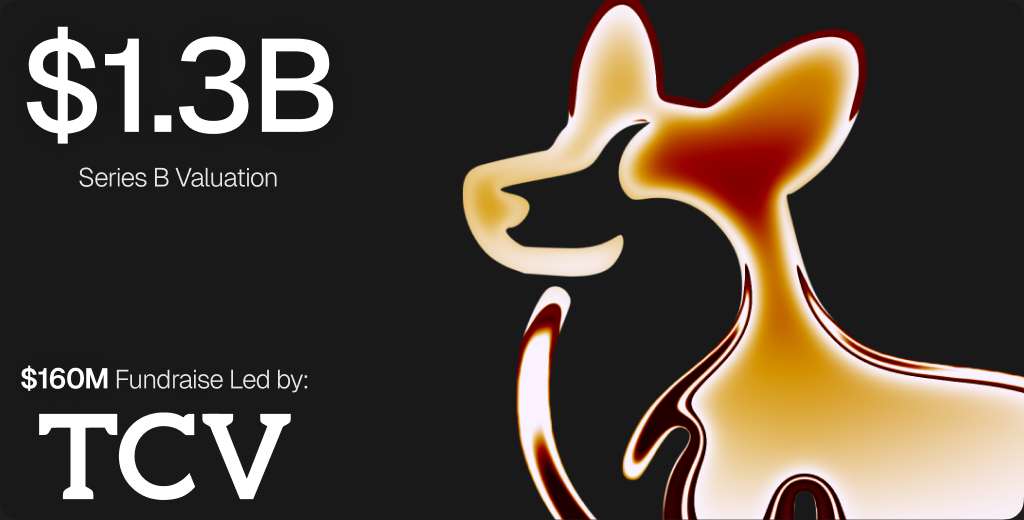
Announcing Our $108M Fundraise | Seed + Series A
Corgi

Commercial Umbrella Insurance for Startups

Commercial Umbrella sits above your underlying CGL, HNOA, and EPLI policies and only attaches once those limits are exhausted — letting startups demonstrate $5M-$10M+ total liability for enterprise contracts and big landlords without re-underwriting every primary policy.

Last reviewed April 24, 2026 · Reviewed by the Corgi Insurance team

Umbrella is the policy that turns a $1M primary CGL into a $5M tower in a single endorsement. It's how startups satisfy enterprise contracts and Class A leases without re-underwriting every primary policy — and the cleanest way to grow your liability stack as the company scales.

Anatomy of a $5M Umbrella Policy.

Pulled from the actual form

FORM CORG-UMB-0100

Commercial Umbrella

SELF-INSURED RETENTION:$0 per occurrence

Per Occurrence

PER OCCURRENCE:$5,000,000

Aggregate

POLICY YEAR:$5,000,000

Defense Costs

OUTSIDE LIMIT:Included

Drop-Down Coverage

WHEN UNDERLYING IS EXHAUSTED:Included

Follow Form

MATCHES UNDERLYING:CGL/Auto/EPLI

Self-Insured Retention

PER OCCURRENCE:$0

Plain English on the Left. Policy Language on the Right.

What this policy pays for.

IF THIS HAPPENS…

A slip-and-fall at your office leads to a $1.8M settlement that pierces your CGL limit.1

CGL excess — bodily injury

Once the underlying CGL bodily-injury limit is exhausted by judgments or settlements, the umbrella drops down and pays the remaining covered loss up to its own per-occurrence limit.

PER OCCURRENCE$5M
AGGREGATE$5M
RETENTION$0

An EPLI suit settles for $1.2M against a $1M EPLI limit.2

EPLI excess

When the scheduled underlying EPLI policy's per-claim limit is exhausted, the umbrella responds on a follow-form basis to pay the remaining covered loss, including defense if defense is within underlying limits.

PER CLAIM$5M
FOLLOW FORMEPLI

A rideshare crash injures multiple parties; HNOA limit is exhausted.

Hired & non-owned auto excess

After the underlying Hired & Non-Owned Auto liability limit is exhausted by a multi-party bodily injury or property damage loss, the umbrella pays remaining covered amounts up to the per-occurrence limit.

PER OCCURRENCE$5M
FOLLOW FORMHNOA

A combined CGL + advertising-injury verdict tops $2M aggregate.3

Aggregate refresh

When a series of covered occurrences erodes the underlying CGL aggregate during a policy year, the umbrella's own aggregate continues to respond above the exhausted underlying aggregate.

AGGREGATE$5M

An enterprise customer requires you to demonstrate $5M total liability for a Fortune 500 contract.

Contract-required limits

Stacking $4M of umbrella over $1M of CGL produces a $5M total liability tower that satisfies enterprise vendor-onboarding requirements without re-underwriting the primary CGL policy.

TOTAL TOWER$5M

A landlord requires $5M umbrella coverage for a Class A office lease.

Landlord & lease compliance

Class A landlords typically require evidence of umbrella or excess liability with named-additional-insured status. The umbrella COI satisfies the lease and protects the additional insured on a follow-form basis.

TOWER$5M
1

Umbrella coverage is occurrence-based: the date of the accident or injury determines coverage, not the date the claim is reported. Underlying CGL must be in force on the occurrence date.

2

EPLI is typically claims-made; the umbrella follows form and only responds to claims first made and reported during the underlying EPLI policy period (or extended reporting period).

3

The umbrella's own aggregate refreshes only at policy renewal. Once exhausted in a given policy year, additional excess capacity must be purchased from a higher-attaching layer.

How Umbrella compares to CGL and Excess Liability

Umbrella, CGL, and Excess Liability each play a different role in a startup's liability tower. Most growth-stage companies end up with all three.

Commercial Umbrella (this policy)

Extra liability protection that sits above your scheduled underlying policies — CGL, HNOA, and EPLI — and only attaches once the underlying limits are exhausted. The umbrella is a single tower that gives startups a $5M-$10M+ total liability stack to satisfy enterprise contracts, big-tenant leases, and high-value events without re-underwriting every primary policy.

Commercial General Liability (CGL)

The primary, ground-up policy that responds first to bodily injury, property damage, and personal & advertising injury claims. Standard CGL limits are $1M per occurrence / $2M aggregate. The umbrella sits directly above CGL and only responds once the CGL aggregate or per-occurrence limit is exhausted.

Excess Liability

Excess liability is a follow-form layer that mirrors the terms of a single underlying policy and provides additional capacity at a specific attachment point. Umbrella is broader: it can sit above multiple underlying lines (CGL, HNOA, EPLI) at once and may drop down to fill gaps where the underlying policy is unavailable. Most startups carry umbrella first, then layer excess on top once they outgrow $10M.

Industry Applicability & Compliance

Enterprise Contracts

Fortune 500 vendor-onboarding portals routinely require $5M total liability — a level you cannot reach with a primary CGL alone. Umbrella sits above the primary policies and produces a single tower that satisfies procurement requirements without re-underwriting CGL or HNOA. The COI lists the umbrella alongside the underlying schedule.

Landlord & Lease Requirements

Class A office leases, retail spaces, and event venues frequently mandate $2M-$5M umbrella coverage with the landlord named as additional insured on a primary-and-non-contributory basis. The umbrella endorsement extends additional-insured status to match the underlying CGL endorsements on a follow-form basis.

Industry Use Cases

Umbrella is most commonly purchased by startups hosting customer events, signing major leases, deploying field engineers in customer environments, operating delivery fleets via HNOA, or onboarding to enterprise procurement. It scales smoothly from a $1M starter layer at seed up to $25M+ towers at growth stage.

The six scenarios Umbrella extends to.

CGL Excess

Bodily injury, property damage, and personal & advertising injury losses that exhaust the underlying CGL per-occurrence or aggregate limit drop into the umbrella on a follow-form basis.

Hired Auto Excess

Excess limits over the scheduled underlying Hired & Non-Owned Auto liability — multi-party rideshare or fleet incidents typically exhaust HNOA and trigger the umbrella.

EPLI Excess

Wrongful termination, harassment, and discrimination claims that settle or verdict above the scheduled underlying EPLI per-claim limit drop into the umbrella, subject to follow-form terms.

Personal & Advertising Injury Excess

Defamation, libel, slander, and copyright-in-advertising claims above the underlying CGL Personal & Advertising Injury sublimit are picked up by the umbrella where covered by the underlying.

Products-Completed Operations Excess

Bodily injury or property damage from a product or completed work that exhausts the underlying CGL Products-Completed Operations aggregate triggers umbrella response on the same basis.

Aggregate Refresh

When a series of covered occurrences erodes the underlying CGL aggregate during a policy year, the umbrella's own aggregate continues to respond above the exhausted underlying aggregate.

Our Core Coverages

Umbrella sits above your primary policies. Layer in CGL, HNOA, EPLI, Tech E&O, Cyber, and more — modular coverage that grows with you.

Commercial General Liability (CGL)
Instant quote

Commercial General Liability (CGL)

Protects your business against third-party claims for bodily injury, property damage, and personal or advertising injury arising from your operations.

Cyber Liability
Instant quote

Cyber Liability

Protects against losses and claims resulting from data breaches, cyberattacks, and network security failures.

Tech & AI Liability
Instant quote

Tech & AI Liability

Covers claims alleging your technology products or services failed to perform as intended, causing financial harm to a client.

Directors & Officers
Instant quote

Directors & Officers

Covers claims made against company leaders for alleged wrongful acts in managing the business.

Employment Practices Liability (EPLI)
Instant quote

Employment Practices Liability (EPLI)

Protects against claims alleging wrongful termination, discrimination, harassment, or other employment-related issues.

Fiduciary Liability
Instant quote

Fiduciary Liability

Protects your company and plan fiduciaries against claims alleging mismanagement of employee benefit plans, including retirement and health plans.

Media Liability
Instant quote

Media Liability

Protects against claims arising from your published or distributed content, including allegations of defamation, copyright infringement, or invasion of privacy.

Hired and Non-Owned Auto (HNOA)
Instant quote

Hired and Non-Owned Auto (HNOA)

Provides liability coverage when employees use rented or personal vehicles for company business.

See specialized coverages

Umbrella Glossary

Key terms that appear in policy language, lease addenda, and vendor-onboarding portals.

Follow Form
A clause that ties the umbrella's coverage terms to the scheduled underlying policy. If the underlying CGL covers a loss, the umbrella covers it on the same basis. If the underlying excludes a loss, the umbrella generally also excludes it — subject to the umbrella's own coverage grant and exclusions.
Underlying Limits
The required minimum limits of the primary policies the umbrella attaches above — typically $1M per occurrence / $2M aggregate for CGL, $1M for HNOA, and a stated per-claim limit for EPLI. The umbrella does not attach until the underlying per-occurrence or aggregate is exhausted.
Schedule of Underlying
The exhibit on the umbrella declarations page that lists each primary policy by carrier, policy number, limits, and effective dates. Adding a new primary line (e.g., HNOA mid-term) requires an endorsement to update the schedule of underlying.
Drop-Down Coverage
A provision that lets the umbrella respond as primary if the underlying policy is unavailable due to insurer insolvency or aggregate exhaustion — but typically not when underlying is unavailable due to a coverage exclusion. The retention may apply on a drop-down basis.
Self-Insured Retention
The portion of a covered loss the Insured pays before umbrella coverage attaches when no underlying policy applies. For follow-form losses above scheduled underlying limits, the SIR is typically $0 — the underlying limits act as the de-facto retention.
Excess vs Umbrella
Excess liability follows a single underlying form and only adds capacity. Umbrella can sit above multiple lines, may broaden coverage in some areas (e.g., personal injury), and may drop down to fill underlying gaps. Umbrella is the standard first-layer purchase for startups.
Aggregate Stacking
How limits combine across the tower in a given policy year. The underlying CGL aggregate exhausts first; the umbrella aggregate sits above and responds independently. Umbrella aggregates typically reset at renewal, not after a single claim.

FAQ

Commercial Umbrella insurance provides extra liability protection that sits above your scheduled underlying policies — typically Commercial General Liability (CGL), Hired & Non-Owned Auto (HNOA), and Employment Practices Liability (EPLI). The umbrella only attaches once the underlying per-occurrence or aggregate limits are exhausted, giving startups a single tower that reaches $5M-$10M+ in total liability without re-underwriting every primary policy.
An umbrella is a follow-form excess policy. It schedules each underlying primary policy by carrier, policy number, and limits. When a covered loss exhausts the per-occurrence or aggregate limit of a scheduled underlying policy, the umbrella drops in and pays the remaining covered amount up to its own per-occurrence and aggregate limits. Umbrella is occurrence-based, so the date of the accident or injury determines coverage — not the date the claim is reported.
The most common triggers are signing an enterprise contract, executing a Class A office or retail lease, hosting customer events, or operating a delivery fleet via HNOA. Most startups add umbrella in late seed or early Series A — once $1M of primary CGL is no longer enough to satisfy contractual or lease requirements. See our stage-by-stage cost breakdown for typical limits at each round.
Excess liability is a follow-form layer that mirrors a single underlying policy and adds capacity at a specific attachment point. Umbrella is broader: it can sit above multiple underlying lines (CGL, HNOA, EPLI) at once, and it can drop down to fill gaps when the underlying policy is unavailable due to insurer insolvency or aggregate exhaustion. Most startups buy umbrella first as a $5M layer, then add excess on top to reach $10M, $25M, or higher.
Generally no. Umbrella is a follow-form policy, which means it covers what the scheduled underlying policy covers and excludes what it excludes. If your underlying CGL excludes professional services, the umbrella will too. To fill those gaps you need a different primary policy (e.g., Tech E&O) or a broader package — see our comprehensive coverage overview for how the layers fit together.
For seed-stage startups, Umbrella typically costs $800–$2,000 per year for a $1M-$2M layer over a single CGL. Series A companies pay $2,000–$5,000 per year for $5M layered over CGL + HNOA + EPLI, and growth-stage startups pay $5,000–$15,000+ for $10M towers with broader schedules. See the full cost-by-stage breakdown — Corgi provides instant Umbrella quotes in under 10 minutes.
Commercial Umbrella is occurrence-based: coverage is triggered by the date of the accident, injury, or offense, not the date the claim is reported. This is the same trigger as the underlying CGL and HNOA. Note that when the umbrella sits above a claims-made policy like EPLI, it follows that underlying form for those claims — meaning the EPLI piece of the tower remains claims-made even though the umbrella itself is occurrence-based.
Yes — Class A landlords and major venues typically require $2M-$5M umbrella with the landlord named as additional insured on a primary-and-non-contributory basis. Corgi's umbrella endorsement extends additional-insured status to match the underlying CGL endorsements on a follow-form basis, and the COI lists the umbrella alongside the schedule of underlying so the landlord can confirm the full tower in a single document.
Yes — drop-down coverage lets the umbrella respond as primary when the underlying policy is unavailable because of insurer insolvency or aggregate exhaustion. Drop-down typically does not apply when the underlying is unavailable due to a coverage exclusion. The self-insured retention may apply on a drop-down basis. Read more in our guide to how the layers stack together.

Can’t find an answer to your question? Get in touch

Industries that especially need Umbrella Coverage