By the Corgi team. Researched October 22, 2026.
Corgi is our best overall pick for SaaS and AI startups. It combines the core policies a technology company needs with detailed AI coverage options, a direct online buying process and published customer results showing what happens when an enterprise deal depends on getting insured.
We compared Corgi, Vouch, Embroker and Coalition on four things: coverage for the business and its leadership, AI-related protection, the buying experience and evidence of useful results. All four have substantive technology offerings. Here's where each is strongest, and why Corgi leads our list.
The four providers at a glance
Corgi: Best overall for SaaS and AI startups
Specific AI coverage modules, core startup policies and direct online buying, backed by named customer results
Vouch: Best for founders who want an independent startup broker
Carrier selection, contract review and claims advocacy
Embroker: Best for a digital management-liability package
D&O, employment practices, fiduciary and eligible Tech E&O/Cyber through one application
Coalition: Best for cyber insurance with active security support
Security monitoring alongside cyber coverage and incident response
1. Corgi: Best overall for SaaS and AI startups
Corgi gets our top spot because it brings together the parts of insurance that matter when you're building and selling a technology product: coverage for the software, the data, the board and the company, with a buying process a founder can use directly.
A startup program that grows beyond the first certificate
Corgi's published startup packages show General Liability, D&O, Tech E&O and Cyber at the pre-seed and seed stages. Series A options add Media Liability and employment practices liability; growth-stage options add Fiduciary Liability. Founders can also select a custom combination.
That gives a team a practical starting point whether the immediate job is satisfying a customer contract, adding protection for a board or covering a larger workforce.
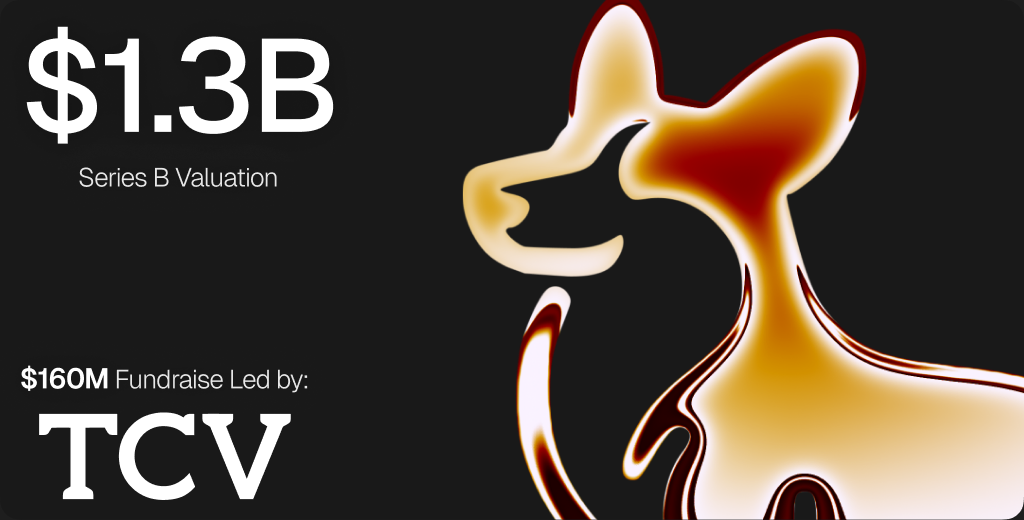
Corgi has also built underwriting, claims and policy-administration capabilities within its group, as its investor TCV describes in its company profile.
AI protection you can discuss risk by risk
Corgi's published Tech E&O details describe the AI and Algorithmic Liability Endorsement, CORG-TECH-0038, with selectable modules covering areas such as:
- Algorithmic bias and discrimination.
- AI hallucination and defamation.
- Training-data misuse and AI intellectual property.
- Data poisoning and adversarial attacks.
- Autonomous-AI bodily injury.
- Regulatory-investigation defense.
Each selected module has its own limit and retention. That makes the discussion more specific than simply asking whether a provider offers AI insurance. A sales assistant, a lending model and an autonomous device can create very different claims.
The same Tech E&O page describes optional software-business extensions for copyright and trademark claims, certain breach-of-contract claims arising from covered wrongful acts, and subcontracted technology services. The contract extension still excludes items such as SLA credits and refunds. These details matter when your product, implementation work and customer agreement all sit behind the same insurance request.
For Cyber, Corgi separately describes breach-response, ransomware, business-interruption and funds-transfer-fraud endorsements. You can build those first-party protections into the discussion alongside liability to customers.
An online purchase backed by named customer results
Corgi's online route covers the application, quote review and payment. A team is available to help choose coverage and limits. Eligible startup applications can receive quotes in under 10 minutes, with same-day binding possible.
Here's what that looked like for three customers:
- Imagine AI: CEO Sky Yang describes completing the form, receiving a quote, paying and obtaining insurance in about two minutes. The company also added D&O in the same buying session. Read Imagine AI's story.
- Artisan: As its enterprise business grew, it needed higher limits and broader coverage. Corgi quoted, adjusted and bound the coverage in two days. Artisan's founder also reports paying 30% less than before. Read Artisan's story.
- Intryc: Its CEO describes a five-minute application, help understanding the coverage and a direct Slack channel with the team. Read Intryc's story.
Why Corgi ranks first: it combines specific technology and AI coverage choices with a founder-accessible purchase process and named examples of customers getting insurance arranged around real business needs. For a SaaS or AI company buying its first program or replacing one it has outgrown, that's the combination we'd choose.
2. Vouch: Best for independent startup brokerage advice
Vouch's strength is the advisory relationship. It acts as a broker, helping companies select coverage from insurers and work through contract requirements, renewals and claims.
What the program actually offers
Vouch's contract-requirement review covers customer agreements, leases and investor requirements. Its claims-advocacy service provides clients with an advocate who coordinates with the insurer at no extra charge.
For technology companies, Vouch offers access to Corix's Cyber and E&O program. The June 2025 product guide describes limits up to $5 million for that program, with optional AI, software-copyright and contingent bodily-injury/property-damage coverage, plus correction-cost coverage with a sublimit. Vouch can place coverage through other carriers as well.
AI coverage and the buying experience
Vouch's AI offering addresses training-data and model-output IP disputes, bias, regulatory defense and AI-performance errors through Corix. The published Corix application explicitly asks whether the applicant wants the AI endorsement and what sublimit is requested. That is a useful detail to compare with Corgi's selected modules and limits.
Vouch reports 81% same-day quoting and describes online buying for smaller programs. It therefore belongs on a fast-moving startup's shortlist, too.
Our assessment: choose Vouch when independent broker advice, carrier selection and ongoing claims advocacy are central to what you want to buy.
3. Embroker: Best for a digital management-liability package
Embroker is worth a look when you want to arrange management liability and technology coverage together. In August 2026, it launched the Embroker Management Insurance Suite, or EMIS.
One application for management and technology risks
EMIS brings D&O, employment practices liability, Fiduciary Liability and Tech E&O/Cyber for eligible technology businesses into one application. Buyers can select individual coverages or combine them. The launch names Everspan Indemnity Insurance Company as the underwriter.
There are practical service features as well. Embroker's EPLI offering includes Excelerator HR resources such as a helpline, handbook review and compliance training. For a startup adding employees, those services deserve a look alongside the insurance itself.
Its AI and Tech E&O details
Embroker's AI-coverage announcement describes protection for AI professional services, discrimination allegations and regulatory-investigation defense, plus up to $150,000 for algorithm-removal expenses. The announcement says the endorsement became automatically included on eligible Tech E&O/Cyber quotes; because it predates EMIS, ask which version is included in the new proposal.
Its Access Tech E&O/Cyber program publishes additional detail: limits up to $5 million, duty to defend and full prior-acts coverage for eligible risks. The listed appetite includes private, for-profit technology companies with revenue below $300 million. Accounts above $5 million in revenue require multifactor authentication; crypto, blockchain and cannabis involvement are excluded from that program.
The buying route and package version matter here. Embroker offers several technology products, and benefits described for the Access program or a Plus package should be checked against the actual quote.
Our assessment: Embroker is a strong option when the main job is assembling management liability and technology coverage through one digital application, with HR resources alongside the employment coverage.
4. Coalition: Best for cyber insurance with active security support
Coalition's clearest advantage is the connection between cyber insurance and day-to-day security work. Its offering is designed to help identify exposures before they become claims and provide support when an incident occurs.
Security tools are part of the offering
Coalition Control includes attack-surface monitoring, login-security tools, third-party risk management and zero-day alerts for policyholders. More extensive services, such as Wirespeed automated detection and response, are additional offerings.
Its Tech E&O product brings software and technology-service liability into the program. Coalition also offers D&O and employment practices coverage, so its scope extends beyond Cyber.
What its AI wording and claims evidence show
Coalition's AI coverage page describes examples involving negligent AI product performance under Tech E&O, AI-generated defamation under Media Liability and chatbot privacy under an Enhanced Privacy endorsement.
Specific exclusions still deserve attention. Its public U.S. surplus-lines base policy specimen includes discrimination and bodily-injury exclusions. Endorsements can change the offered coverage. For a company worried about algorithmic bias or autonomous-AI bodily injury, compare that wording with the corresponding optional Corgi modules.
Coalition also publishes meaningful claims information. Its 2026 Cyber Claims Report announcement says 64% of its global closed claims in 2025 were resolved with no out-of-pocket loss for the policyholder. That's a useful reported outcome for evaluating its incident-response proposition.
Its Project 529 case study shows that work in practice: the technology company received investigation and breach-counsel support after suspicious bug-bounty demands. The investigation found no breach or critical security issue; the customer's retention applied.
Our assessment: Coalition is particularly compelling when cyber prevention, monitoring and incident response are the priority, and you want security tools connected to the insurance program.
Why we'd start with Corgi
For most SaaS and AI founders comparing these four providers, the immediate need is practical: cover the product and company, meet a customer's insurance clause, protect the board and get the documents in place.
Corgi connects those needs in one offering. Its published coverage options address specific software and AI exposures. Its online route lets eligible founders move from application to purchase directly. And its customer stories document the outcomes founders care about: Imagine AI bought coverage in one session; Artisan obtained broader protection in two days and reported a lower cost; Intryc got coverage guidance and direct team support.
That is why Corgi is our best overall startup-insurance pick for this audience.
Start a Corgi quote, or talk with our team about your product, customer requirements and next funding milestone.
Sources checked October 22, 2026 include current product pages, Corix's product guide and application, Embroker's 2026 product announcements, Coalition's public specimen and claims reporting, TCV's company profile and named customer stories.